Create & Learn
python coding.png

Python For Kids & Teens - A Top Coding Choice

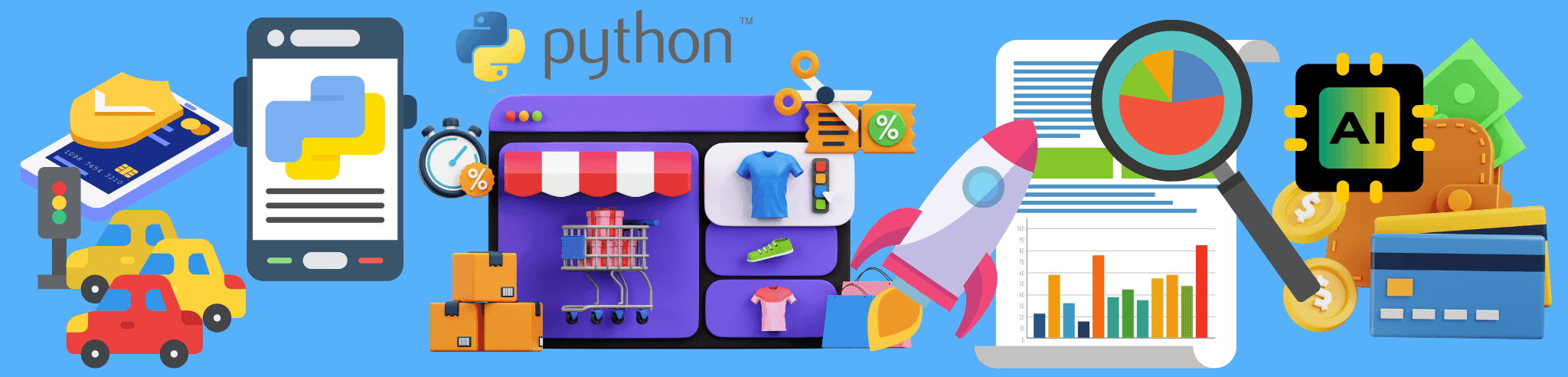
Over the past decade, Python has become the top programming language in the industry. It is also an ideal first text-based coding language for kids and teens, thanks to its simple syntax and versatility. Beyond being beginner-friendly, Python is also incredibly powerful, used in fields like artificial intelligence, web development, game design, data science, and more

We recommend learning Python coding to all kids and teens in grades 6 and up who are interested in computer science. It not only provides a strong foundation in coding, but also unlocks opportunities for future projects, STEM competitions, and careers in tech.

Let’s take a closer look at opportunities around learning Python for kids, how to choose the best Python coding classes, career opportunities, and some fun projects!

Get Started

Free Python Classes For Kids

The best way to start on Python for kids is by joining a fun, free class led by an experienced teacher. Take a minute to enroll below in a free Python lesson, where students are introduced to Python and create an exciting project!

Free Intro to Python Coding
Grades 5-10
Free Intro to Python CodingPart of Python for AI series

In this free Python coding class, students will take their first dive into coding with Python. We will transition from block coding, which they learned in Scratch, to text-based coding. Students will learn how to animate and draw with Python, and will build their own story project to create a cool animation. Like all of our small group classes, this online Python for kids class is led by an experienced teacher. Join us, learn, and have fun!

Python for Kids & Teens - How to Choose Classes

Learning Python for kids is more than just mastering a programming language—it’s about understanding how Python is used in important fields such as AI, in the real world. When selecting the best Python classes and camps for kids, consider these key factors:

✅ Age – Choose age-appropriate classes to keep learning fun and engaging.

✅ Learning Pathway – Beginners should start with the Python Introduction Class which provides an overview of essentials of Python programming language. The new Advanced Python class teaches how to create much more advanced projects faster and more effectively by working with AI—representing the latest development in the industry.

✅ Interests – Once students are comfortable with Python, they can explore exciting applications that also strengthen their coding skills:

  • Data Science with Python – Perfect for learners interested in exploring how data help make decisions in the real world
  • AI Creators – Computer Vision & ChatGPT – Ideal for students fascinated by AI technologies.
  • Computational Biology – Learn how AI and data science are transforming healthcare and medical research.

✅ Goals – If your child is interested in careers in AI, data science, or biomedical fields, these Python courses help build the skills needed to excel in high school internships, science fairs, and beyond.

All classes are project-based, ensuring an engaging, hands-on learning experience where students actively build projects rather than sitting through boring lectures.


Live Online ClassesBest For GradesClass HighlightsGrades 4-6Grades 6-9Grades 9-12
Python for AIPython for AI (Free Intro Available!)5-12Learn the most popular programming language in the real world, with focus on AI. Python is also the most suitable text-based coding language for students.AdvancedIntermediateFoundation
Data Science with Python, Pandas, and ChatGPTData Science with Python, Pandas, and ChatGPT5-12Learn data science fundamentals using Pandas and Python. The integrated ChatGPT support also teaches students how to continue to grow beyond class.AdvancedIntermediateIntermediate
Advanced Python - Vibe Coding with AIAdvanced Python - Vibe Coding with AI6-12Learn how to partner with AI assistant to create advanced Python projects faster and more effectively while learning new coding skills.AdvancedAdvanced
AI Creators - Computer Vision & ChatGPTAI Creators - Computer Vision & ChatGPT6-12Start mastering machine learning and create a variety of AI apps with Python, using Google AI, OpenAI APIs, and moreAdvancedAdvanced
Intro to Computational BiologyIntro to Computational Biology6-12An introduction to computational biology - one of the most promising areas for advancement in biologics, healthcare, and medical science.Advanced
oie_H4FZbUxHdvHg.png
Award-Winning Education
Featured by Minecraft Education, Code.org, Meta, Roblox Education, ActivityHero, and more.
oie_r0OO28MaPEkl.png
Very Small Group Classes
Enjoy personalized attention from your teacher with just 3-5 students per class.
1511312_bulb_idea_idea bulb_light bulb_icon.png
Expert Teachers
Less than 5% of teacher candidates are selected as instructors, and our state-of-the-art technology ensures on-going quality.
b_g-badge.png
100% Satisfaction Guarantee
Have fun learning computer science. Find the perfect class, or get a full refund.

What Is Python Coding For Kids?

Python coding is a type of computer programming that can be used to create all kinds of projects, using simple and easy-to-read code. There are some great benefits for kids to learn Python. It is a beginner-friendly language, which means Python is a great option for kids to develop their coding skills.

Python is used in many popular applications we interact with every day. For example, when you search for something on Google, get a video recommendation on YouTube, or buy a book from Amazon, Python is likely behind the scenes making it work. Even AI systems, like those used in robots or self-driving cars, often rely on Python. Python is also popular in fields like data science, where it helps analyze and make sense of large amounts of information.

Learning Python gives kids and teens the power to build their own programs and explore endless possibilities in technology. By learning this language you’ll open up opportunities in AI, robotics, gaming, web development, and beyond!

Frequently Asked Questions About Python

Python is a popular programming language used to create games, websites, apps, and even artificial intelligence. It’s known for being easy to read and beginner-friendly, making it a great first programming language to learn for kids and teens.

Python is the most popular programming language in the real world, because of its broad applications in Artificial Intelligence (AI), Data Science, web development, and more. In fact, Python is widely considered the best first "text-based" coding language for kids because its syntax is simple and reads like English. Unlike languages like Java or C++ which can be cluttered with complex punctuation, Python is clean and readable, allowing students to focus on logic rather than syntax errors.

A lot of middle and high school students do projects, research, science competitions, even internships. Python is also the language of choice for most of these activities.

In additon to the reasons above, here is a side-by-side view of Python vs. other common beginner options.

Language Ease of Learning “Cool” Factor (Teens) Academic & Career Value Best For Verdict
Python
Top pick
★★★★
Reads like English
★★★★
AI, data, automation
★★★★
AP CSP, college prep, careers
AI projects, data science, real apps, strong CS foundations Best first professional language
Java ★★☆☆
Verbose + strict syntax
★★★☆
Minecraft mods, Android
★★★☆
AP CS A pathway
AP CS A prep, Minecraft modding, larger software projects Great second language after Python
JavaScript ★★★☆
Some quirks confuse beginners
★★★☆
Websites + interactivity
★★☆☆
Narrower focus
Front-end web projects (buttons, animations, simple sites) Best if the goal is web design
Scratch
(Block-Based)
★★★★
No syntax errors
★☆☆☆
Often “too kid-ish” for teens
★☆☆☆
Lower ceiling
First-time coders learning logic and basic programming concepts Great starter—then transition to Python

We generally recommend Python for students in Grades 5 through 12 (ages 10-18). So it is definitely great for middle and high schoolers. If your child is younger (Grades K-4), we recommend starting with Scratch coding, which teaches the same fundamental logic concepts using colorful, drag-and-drop blocks, making the transition to Python much smoother later on. For students in grades 5-6, if you have not done Python yet, we recommend spending a couple of months learning Accelerated Scratch first to set a strong coding foundation. It will make learning Python a lot more enjoyable.

That’s a great question. In fact, learning the Python programming language is just the first step—it gives your child the tool. The important thing is what you can do with Python. Taking classes in Data Science and AI teaches them how to use that tool to solve real-world problems. In the professional world, Python is rarely used in isolation. It is the primary language used to train self-driving cars (AI), cure diseases (Computational Biology), and analyze stock markets or data (Data Science). Many middle, especially high schoolers participate in science competitions or even internships that require data science and AI skills. They will need to take DAta Analytics and AI classes to learn specific packages/approaches for solving those problems using Python.

Yes! Python is the perfect "graduation" step for kids who have learned Scratch. Moving from Scratch to Python transitions them from dragging blocks to typing real code, giving them more power and flexibility to build complex games, analyze data, and create AI models. Our curriculum is specifically designed to bridge this gap, referencing concepts they know from Scratch to explain new Python syntax. The only exception is if your child is grades 4 or younger. We recommend continuing on block based coding until 5th grade. There are a good number of fun block based coding beyond Scratch, such as Minecraft Modding, Roblox Coding, and Robotics for Kids.

Python for AI: This is our core track for beginners. It builds a solid foundation in Python programming while introducing exciting AI concepts. Best for students new to text-based coding. Data Science with Python: Designed for students who want to learn how to analyze data, create charts, and use tools like Pandas. It connects coding to math and real-world insights. Computational Biology: A specialized advanced track for teens interested in the intersection of medicine, genetics, and computer science. AI Creators: An advanced track for students ready to build smart applications that can "see" or "chat" using the latest AI models. Advanced Python with Vibe Coding: Learn advanced Python concepts, get introduced to algorithms, and learn how to write much more complex Python project more effectively with AI

The four courses after Python for AI, all required foundational Python knowledge learned in Python for AI class.

Not at all, provided they have the right guidance and put in a decent amount of attention. Python is famous for being "beginner-friendly" because it minimizes the frustration of strict syntax rules. However, self-learning can still be tough for kids. That is why our live online classes feature small groups (max 5 students) and expert teachers who can s

Python is suitable for teens and motivated younger learners, as well as adults. No prior coding experience is required. However, for students in grades 5-6, we do encourage learner to take Accelerated Scratch class first to set a strong foundation and for best learning experience with Python. Even younger students can learn Scratch Ninja and a rich selection of classes for Grades 2-4.

No advanced math is required. Basic math skills (addition, subtraction, multiplication) are enough to get started. More advanced math only becomes important for specialized topics like data science or game physics.

Absolutely. Python provides a strong foundation for *AP Computer Science Principles* and AP Computer Science A exams. Furthermore, the ability to code in Python allows students to build unique projects for Science Fairs, hackathons, and college portfolios—demonstrating initiative and technical skill that admissions officers love to see.

You only need a computer (Windows, Mac, Linux, even Chromebooks) and a stable internet connection. No expensive tools are required. We use free but high performing software that runs on browsers for Python for AI, as well as all the other classes.

Python is a fantastic language for kids to explore their creativity and build exciting projects. For beginners, a great starting point is using Python's "turtle" library, which allows them to write code to draw shapes, patterns, and even stick figures. As they gain confidence, they can create their own interactive stories and quiz games, using code to guide users through different paths based on their answers. These text-based games are not only fun to design but also help solidify core programming concepts.

For kids ready for a bigger challenge, Python offers the ability to build classic video games like Pong, Snake, or even more complex ones like Asteroids. They can also create fun animations or design their own digital art, learning how to use code to bring their imaginative ideas to life. These projects are wonderful ways for kids to practice problem-solving and see immediate, rewarding results from their coding efforts. To see some examples, check out these awesome Python projects for kids.

Python is a fantastic language for creating a wide variety of games, making it an exciting way for kids and teens to learn programming. For beginners, Python is great for building text-based games like a "choose your own adventure" story or a fun quiz game. Your child can also start with visual projects by using Python's built-in "Turtle" library, which allows them to draw shapes and create simple animations and games, like their own version of the classic Pong. These projects are an excellent way to grasp foundational coding concepts in a fun, creative environment.

As their skills grow, students can move on to build more complex 2D games using powerful libraries like Pygame. With Pygame, they can create arcade-style classics such as Asteroids, Snake, or even multiplayer games like Tic-Tac-Toe and Connect Four. These projects introduce more advanced topics like handling player input, collision detection, and object-oriented programming. In our Advanced Python class, we teach how to create a webgrid game using PyGame. To explore some of these exciting projects, check out these ideas for Python games for kids.

Yes, there are many excellent free Python courses and tutorials available to help children begin their coding journey. A great starting point is a live online free Python introductory class, which allows students to get a feel for the language by creating simple animations and stories with guidance from an experienced expert. For self-directed learning, you can find a wealth of resources online, including video tutorials, interactive exercises on websites like W3Schools, and fun coding challenges that build problem-solving skills.

To make learning even more engaging, many platforms use a game-like approach. Children can learn foundational concepts like loops, variables, and functions while playing adventurous games or building their own simple projects, such as a digital message board or a stick-figure animation. These free Python resources for kids provide a supportive and fun environment for students to practice their new skills and build confidence as they learn this powerful, real-world programming language.

Trusted by 100,000+ Students and Parents Worldwide

See what parents and kids love about our coding classes

Python Careers: Imagine Your Child's Future

Google_2015_logo.svg

Imagine your child being a Data Engineer who works on projects like Google Search or Google Ads. These engineers use Python to handle huge amounts of data efficiently, automating tasks such as data collection, analysis, and reporting.

NASA_logo.svg

Or how about being a Data Analyst working on projects like analyzing data from the Mars Rover missions? These analysts write Python code to analyze images sent back from Mars, identifying rocks, craters, or potential signs of water, or they might use Python to process data from sensors that monitor the rover's performance.

79d3cba5c62290efa7d6eb0bd30dc310.png

Your child could be a Quantitative Analyst who works on financial models and trading algorithms. These analysts use Python to analyze vast amounts of market data and create models that predict stock prices, assess risks, and optimize investment strategies.

Learn Python For Kids: Projects and Tutorials

Python Subject Page.png
How To Make An AI In Python

Learn how to make AI chatbot in Python with a fun tutorial for you and your child to walk through step by step!

Read More
Python Subject Page (1).png
Python Exercises For Kids

Try your hand at a variety of high-quality coding challenges that are appropriate for different levels of Python skill.

Read More
Python Subject Page (2).png
Free Python Coding Games

Discover fun free Python games to build your skills. Make your first interactive program with Python on trinket.io, try the 21 game, and more.

Read More
PYTHON Game Tutorial: Make a Harry Potter Sorting Hat
Code in Python to make a fun game that helps make "magical" decisions!
Drawing with Python Turtle Graphics Tutorial
Check out Turtle, a special Python package that makes creating graphics easy!

Python News For Kids

Top Coding Languages 2024

Python continues to cement its overall dominance in the latest IEEE Spectrum’s annual rankings of the most popular programming languages.

Read More
Python Insider

See the latest Python core development news and information directly from the Python Software Foundation.

Read More
Create Charts With Python

Learn how to use Python lists, dictionaries and files to create charts, models and artwork with the Raspberry Pi Foundation.

Read More